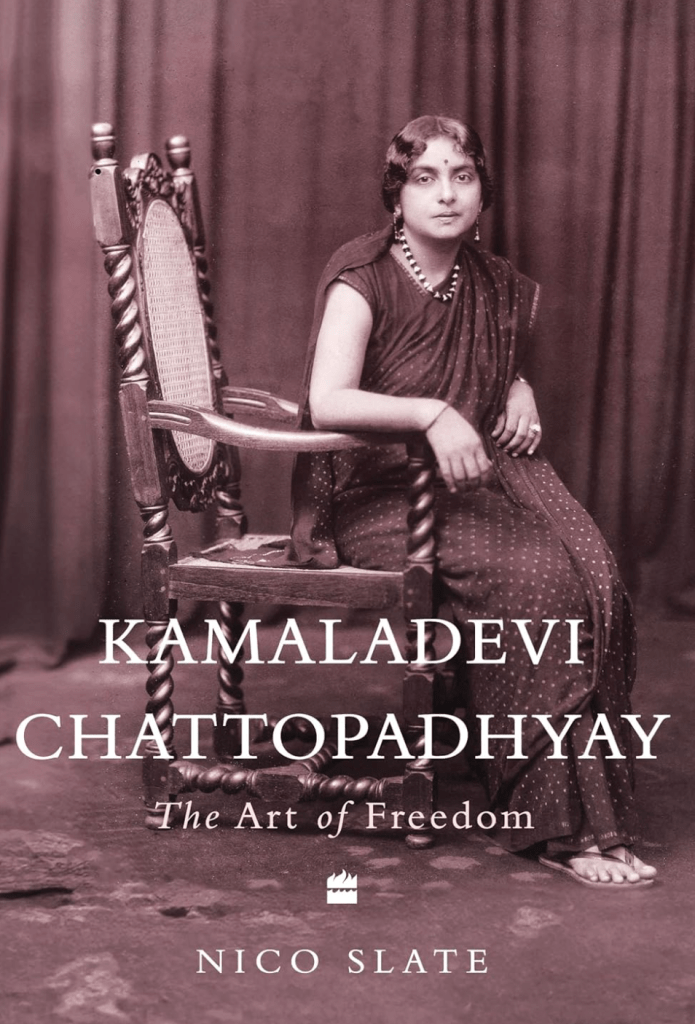
My most recent book is a biography of Kamaladevi Chattopadhyay, the woman who inspired me to study the history of India when I was in my first year of graduate school. Kamaladevi could be described in many ways–anticolonial activist, champion of women’s rights, opponent of racism, fiery socialist, champion of refugees, pathbreaking advocate for the arts and crafts. Widowed as a child, she defied tradition and remarried across the lines of caste and region. When her second husband had repeated affairs, Kamaladevi divorced him, becoming one of the first women to initiative a civil divorce in modern India. The biography was published as Kamaladevi Chattopadhyay: The Art of Freedom by HarperCollins India and as The Art of Freedom: Kamaladevi Chattopadhyay and the Making of Modern India by the University of Pittsburgh Press.
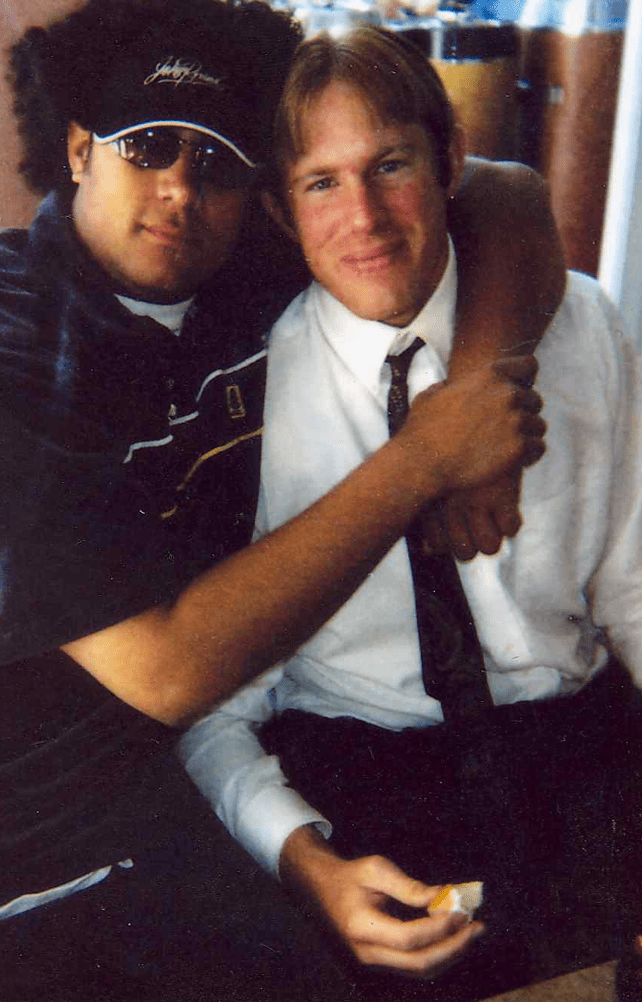
Brothers: A Memoir of Love, Loss, and Race, was published in May 2023 and is now available from Amazon, Barnes & Noble, and Temple University Press.
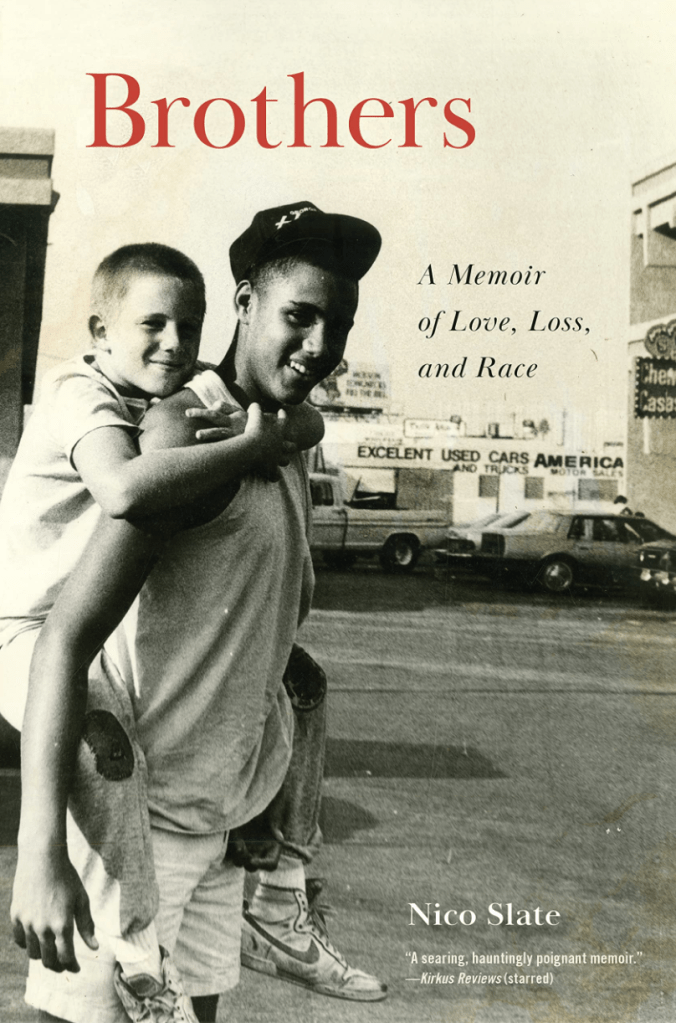
This is the most personal book I have written, and it is deeply meaningful to be able to share my brother’s life in this way.
I am working on two other books:
1) a history of seven survivors of the 1918/1919 influenza pandemic
2) a new history of the civil rights movement through the lens of the Highlander Folk School
I am honored to have co-edited two new volumes focused on the global and transnational history of South Asia:
India in the World: 1500-Present, edited by Rajeshwari Dutt and Nico Slate (Routledge, 2023)
The United States and South Asia from the Age of Empire to Decolonization: A History of Entanglements
edited by Harald Fischer-Tiné and Nico Slate (Leiden University Press, 2023)
Here are short descriptions of my other published books:
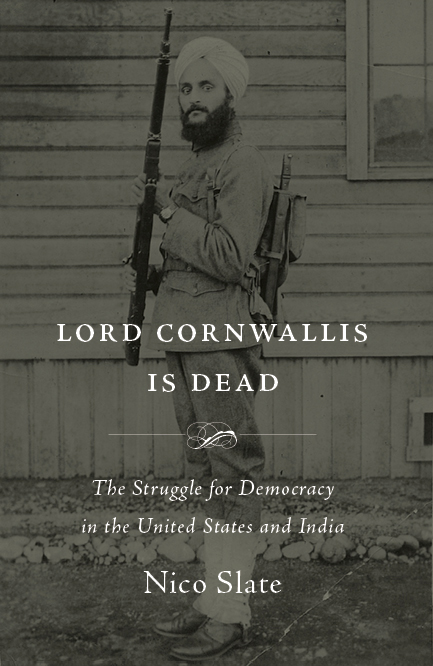
Lord Cornwallis Is Dead: The Struggle for Democracy in the United States and India (Harvard University Press, 2009) links the story of South Asian Americans to the many connections—political, economic, cultural, and intellectual—that have bridged India and the United States. By examining struggles against racism, imperialism, casteism, and other barriers to democracy, Lord Cornwallis Is Dead offers insights into the ongoing challenges facing the United States and India—two countries often heralded as “the world’s largest democracies.”

Gandhi’s Search for the Perfect Diet: Eating with the World in Mind (University of Washington Press, 2019) argues that dietary reforms—from vegetarianism to fasting—must be understood in relation to other social, political, and economic struggles. As I say in the book, “Understanding Gandhi’s relationship to food is to understand the man and his life, and to connect two of history’s perennial questions: how to live and what to eat.”
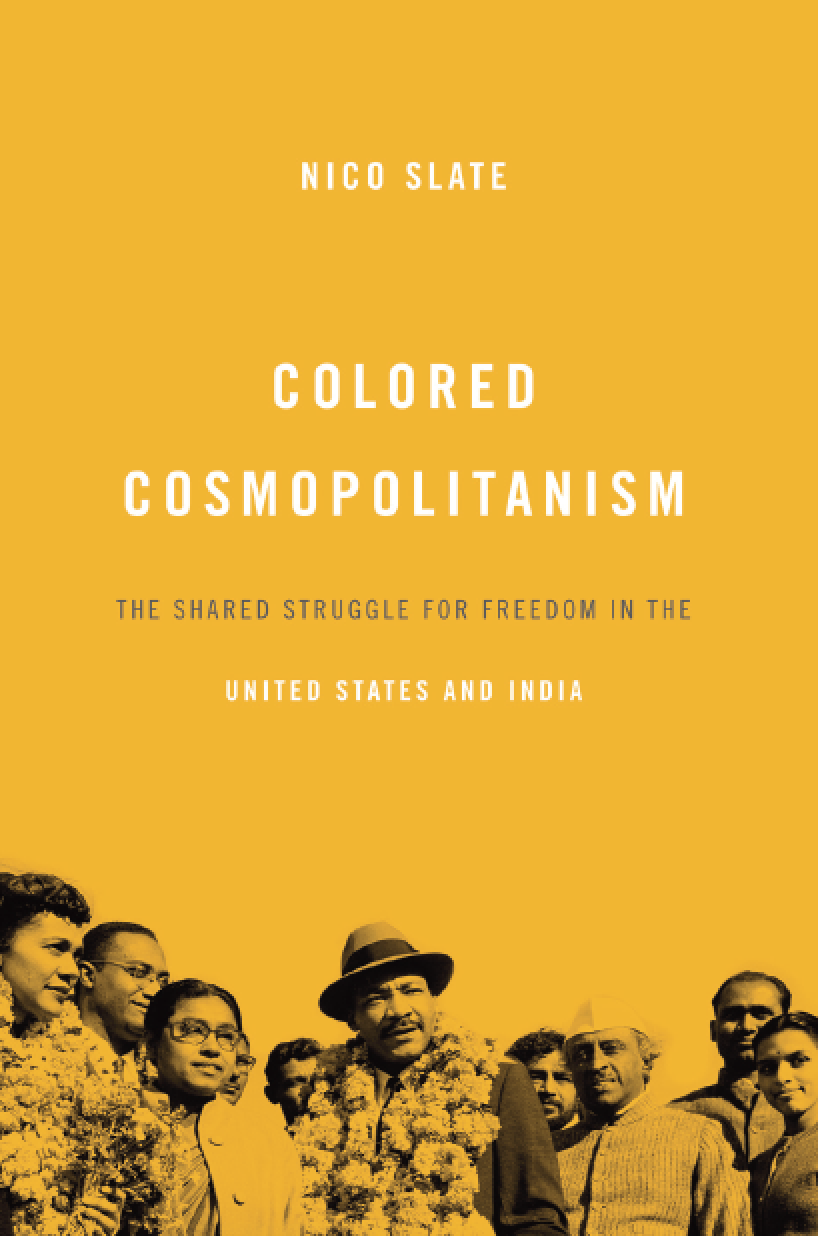
Colored Cosmopolitanism: The Shared Struggle for Freedom in the United States and India (Harvard University Press, 2012) argues that South Asians and African Americans learned from each other in ways that not only advanced their respective struggles for freedom, but also helped define what freedom could and should mean.

The Prism of Race: W.E.B. Du Bois, Langston Hughes, Paul Robeson, and the Colored World of Cedric Dover (Palgrave Macmillan, 2014) explores the relationships that Calcutta-born Eurasian scholar, Cedric Dover, developed with three influential African American artists and activists. The Prism of Race probes the relationship between racially-defined scholarly communities, the production of knowledge concerning race and ethnicity, and anti-racist social movements.
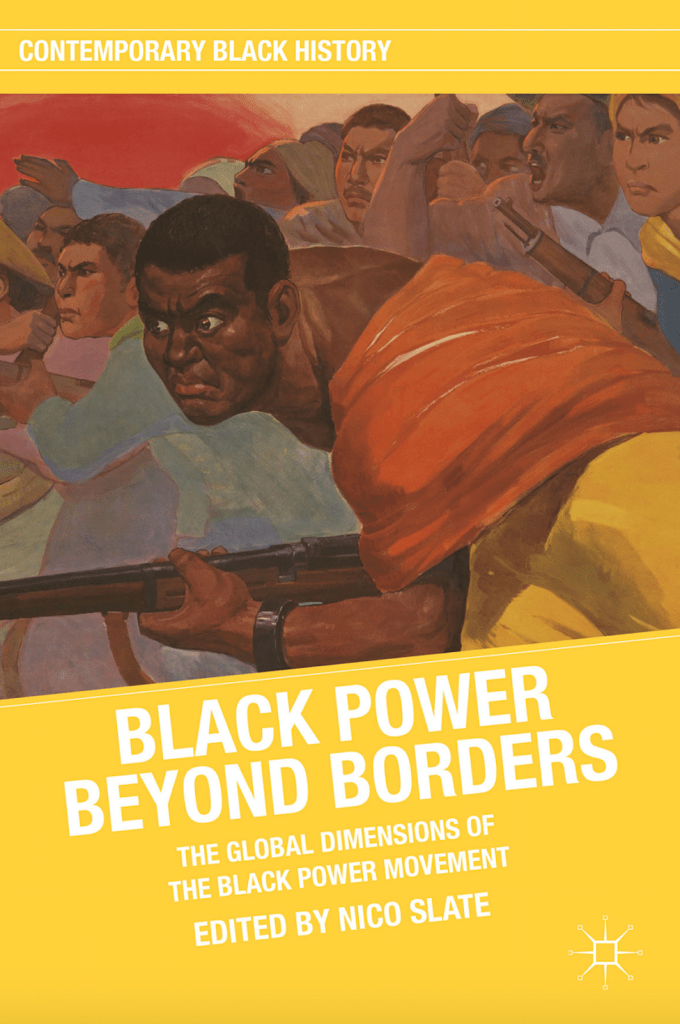
Black Power Beyond Borders (Palgrave Macmillan, 2013) is a collected volume on the global dimensions of the Black Power movement. In Black Power Beyond Borders, famous figures like Stevie Wonder and the Black Panthers emerge in a new light alongside lesser known organizations like the Polynesian Panthers. From Harlem and Oakland to India and Israel, Black Power inspired movements that challenged boundaries throughout the world.
At the heart of my work is the question of how social movements have flowed across racial, national, and ideological borders. I study the relationship between transnational and global interconnectedness, ethnic and racial diversity, and civic engagement. I have pursued my interests by writing scholarly articles and shorter online essays and blog posts in venues like The Atlantic, Tides, and Berfrois.
The Atlantic piece is an excerpt from my book on Gandhi’s diet. Since you’ve read this far, I’ll share a (Gandhian) treat from the end of that book: Gandhi’s recipe for homemade almond milk.
Almond Jelly or Almond Milk
2 cups raw almonds
water
salt and sugar to taste
Soak the almonds in hot water for approximately one hour. Remove the almond peels and crush the almonds (a food processor or a mortar and pestle both work well). Mix the crushed almonds with 4 ounces of water and boil until the water evaporates. You now have almond jelly. For almond milk, add 2 cups of water and stir briskly over low heat until a milklike consistency is achieved. Add a small amount of salt or sugar to taste (or follow Gandhi, and abstain from both). Hope you enjoy!
 Nico Slate